
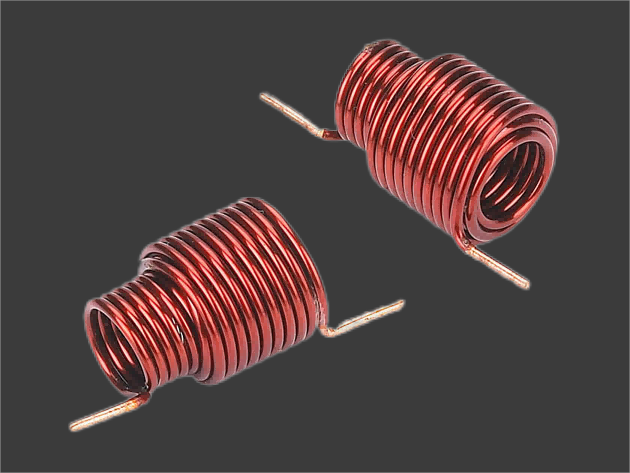
Coils are fundamental components in a myriad of electrical and electromechanical systems, finding applications in transformers, inductors, motors, and various other devices. When it comes to designing round wire coils, several critical considerations must be taken into account to ensure optimal performance and efficiency. Let’s delve into some key factors to consider:
1. Wire Gauge and Material:
- The choice of wire gauge (thickness) and material is crucial. Thicker wires offer lower resistance but might limit the number of turns due to space constraints. Conversely, thinner wires allow for more turns but increase resistance, affecting efficiency.
- Copper is the most common material due to its excellent conductivity, but for specific applications, other materials like aluminum or silver might be more suitable.
2. Coil Dimensions:
- The dimensions of the coil, including diameter and length, directly impact its inductance, resistance, and self-capacitance.
- The diameter of the coil affects its inductance: larger diameters typically result in higher inductance. However, larger diameters may also lead to increased resistance due to longer wire lengths.
- Length of the coil determines the number of turns possible and thus influences inductance and resistance.
3. Turns and Layers:
- Determining the number of turns is critical for achieving the desired inductance. More turns generally lead to higher inductance, but there’s a trade-off with resistance.
- Consideration must also be given to the arrangement of turns, whether they are in a single layer or multiple layers. Multi-layer coils offer higher inductance in a smaller footprint but may introduce capacitance between adjacent turns.
4. Core Material and Shape:
- Cores can enhance the performance of coils by concentrating magnetic flux and reducing losses. Common core materials include ferrite, iron, and various powdered metals.
- Core shape (e.g., cylindrical, toroidal) affects inductance, efficiency, and magnetic field distribution. Toroidal cores, for instance, minimize flux leakage and are often preferred for low-frequency applications.
5. Frequency and Operating Conditions:
- The frequency of operation profoundly influences coil design. At higher frequencies, skin effect and proximity effect become more significant, impacting resistance and distribution of current within the coil.
- Operating conditions such as temperature, voltage, and current levels must be considered to ensure the coil can withstand the intended environment without degradation or failure.
6. Wire Insulation and Coating:
- Insulation materials must be selected based on operating conditions and potential environmental factors (e.g., temperature, moisture, chemicals) to prevent short circuits and ensure long-term reliability.
- Coatings such as enamel or polyurethane can provide additional protection against abrasion and corrosion while maintaining electrical insulation.
7. Manufacturing Considerations:
- Ease of manufacturing, assembly, and winding techniques play a vital role in determining the feasibility and cost-effectiveness of coil production.
- Automated winding machines can improve consistency and efficiency, especially for large-scale production runs.
In conclusion, designing round wire coils involves a delicate balance between various factors such as wire gauge, dimensions, core material, operating conditions, and manufacturing constraints. By carefully considering these aspects, engineers can develop coils that meet performance requirements while optimizing for efficiency, reliability, and cost-effectiveness in a wide range of applications.