
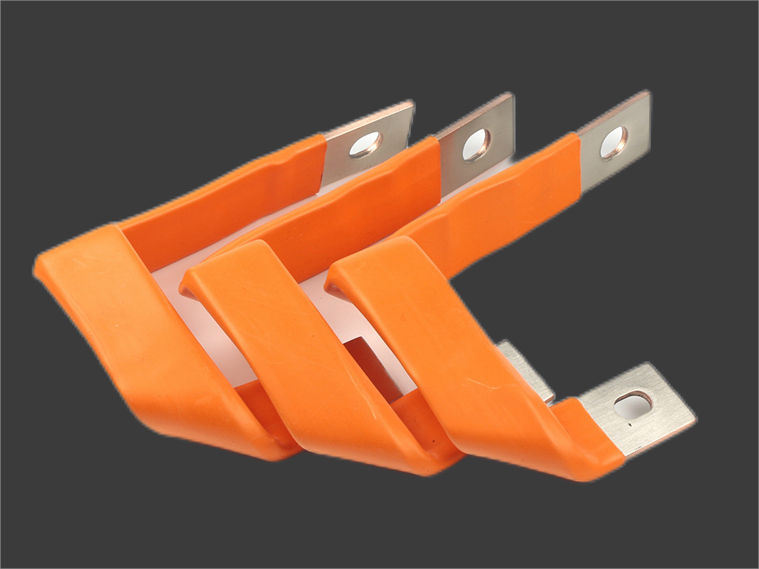
Bus-bars are essential components in electrical power distribution systems, serving as conductors to carry electricity from one point to another. When it comes to designing bus-bars, especially when bending is involved, several critical considerations must be taken into account to ensure structural integrity, electrical performance, and safety. Let’s explore these considerations in detail:
1. Material Selection:
- Choosing the right material for the bus-bar is crucial. Common materials include copper and aluminum, each with its own set of advantages and limitations.
- Copper offers excellent electrical conductivity and is often preferred for high-current applications, while aluminum is lighter and more cost-effective, suitable for lower current requirements.
- The chosen material should possess adequate mechanical strength to withstand bending without deformation or damage.
2. Thickness and Width:
- The thickness and width of the bus-bar influence its current-carrying capacity and mechanical strength.
- Thicker bus-bars can handle higher currents but may require larger bending radii to prevent cracking or distortion.
- The width of the bus-bar should be sufficient to accommodate the required electrical load while minimizing voltage drop and power losses.
3. Bending Radius:
- Determining the appropriate bending radius is critical to avoid stress concentrations and structural weaknesses.
- Bending radii that are too small can lead to cracking, fracturing, or delamination of the bus-bar material, compromising electrical conductivity and safety.
- Factors such as material thickness, width, and hardness should be considered when selecting the bending radius.
4. Bending Techniques:
- Various bending techniques can be employed depending on the bus-bar material, thickness, and application requirements.
- Traditional methods such as manual bending using press brakes or bending tools are suitable for small-scale production and simple geometries.
- For complex shapes or high-volume production, automated bending machines equipped with CNC controls offer precision and repeatability.
5. Mechanical Stress and Fatigue:
- Bending induces mechanical stress and fatigue in the bus-bar material, especially at the bend points.
- It’s essential to analyze stress distribution and fatigue resistance to ensure the longevity and reliability of the bus-bar under operational conditions.
- Mitigation strategies such as optimizing bend geometry, using radius fillets, or employing stress-relief annealing can help minimize stress concentration and extend the service life of the bus-bar.
6. Electrical Performance:
- Bending should not significantly alter the electrical properties of the bus-bar, including resistance and impedance.
- Careful consideration must be given to maintaining uniform cross-sectional area and electrical contact throughout the bent sections to minimize voltage drop and power dissipation.
7. Environmental Factors:
- Environmental conditions such as temperature variations, humidity, and exposure to corrosive agents can affect the performance and durability of bus-bars.
- Protective coatings or insulating sleeves may be necessary to safeguard against corrosion, oxidation, or moisture ingress, particularly in harsh or outdoor environments.
In summary, bus-bar bending design requires meticulous attention to material selection, geometry, bending techniques, mechanical and electrical considerations, and environmental factors. By addressing these aspects comprehensively, engineers can ensure the reliability, efficiency, and safety of bus-bar installations in diverse electrical systems.